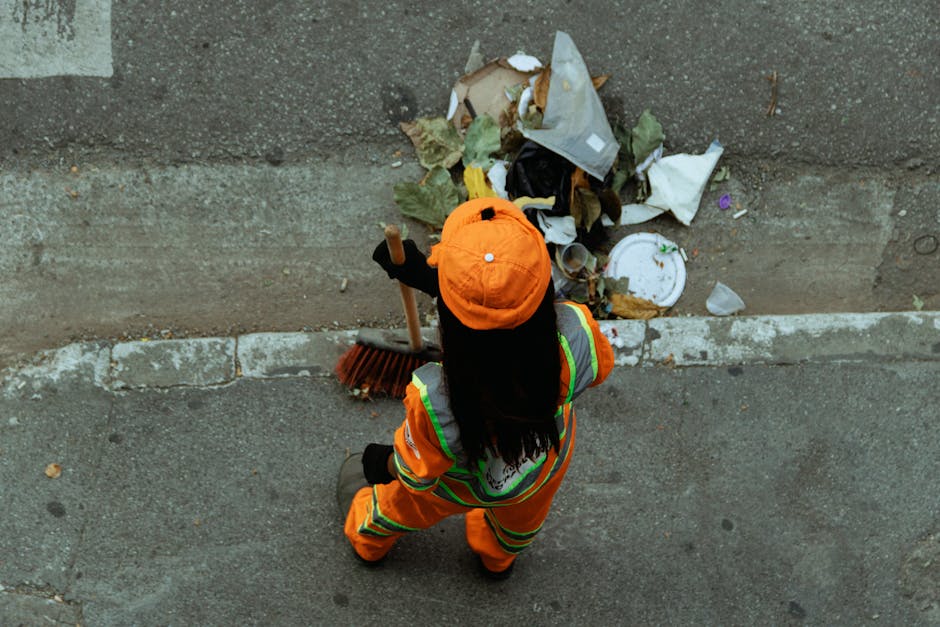
What to know about Barnet Council waste rules for cleaning jobs

If you clean homes, flats, offices, or shared buildings in Barnet, waste can become the awkward bit nobody talks about until there's a bin mountain in the hallway. What to know about Barnet Council waste rules for cleaning jobs is not just a council-box-ticking issue; it affects how you plan, what you can leave behind, and whether the job finishes neatly or turns into a complaint. The good news? Once you understand the basics, it becomes much easier to work cleanly, legally, and without last-minute panic.
This guide breaks down the practical side of waste handling for cleaning jobs in Barnet: what usually counts as waste, what tenants and cleaners need to think about, how collections and disposal are typically managed, and the mistakes that cause trouble. It is written for real work on real days, when you're carrying bags downstairs, watching the clock, and trying not to leave a mess behind. Let's get into it.
Why What to know about Barnet Council waste rules for cleaning jobs Matters
Waste rules sound dull right up until they affect your day. Then they're suddenly very interesting. In Barnet, a cleaning job can produce anything from everyday rubbish and food waste to broken packaging, old cloths, empty product bottles, bulky items, or contaminated waste from a particularly grim property clearance. Each type needs a sensible plan.
The reason this matters is simple: councils expect waste to be presented and disposed of properly, landlords expect properties to be left in decent condition, and clients expect cleaners not to dump bags somewhere awkward "for later." That last one causes more hassle than people admit. In our experience, most problems start with poor sorting, unclear responsibility, or assuming somebody else will deal with it.
For cleaning businesses, this also affects reputation. A spotless kitchen means very little if the bin area is overflowing with mixed rubbish and half-open sacks. It's a small thing, but it's not small at all. A tidy finish makes the whole job feel professional.
Expert summary: If your cleaning work in Barnet creates waste, plan for removal before you start, separate ordinary rubbish from anything special, and never assume leftover waste is "someone else's problem."
How What to know about Barnet Council waste rules for cleaning jobs Works
At a practical level, Barnet Council waste expectations are about correct presentation, responsible disposal, and using the right route for the type and volume of waste. The exact process depends on what kind of cleaning job you are doing. A weekly domestic clean is not the same as a deep clean after tenants move out. Nor is a small flat job the same as a commercial office refresh with bags of shredded paper, packaging, and worn-out consumables.
Here's the basic logic. If the waste is ordinary household or office rubbish, it usually needs to go into the proper bins or collection system that applies to the property. If it is too bulky, too much for standard bins, or not accepted in normal collections, it may need a separate disposal plan. And if it is contaminated, sharp, hazardous, or potentially harmful, then it needs extra care. That part is non-negotiable.
Cleaning teams should also think about timing. Some jobs end early in the morning; others finish just before dusk. If waste bags are left outside at the wrong time or in the wrong place, they can create complaints, attract pests, or simply look careless. You know the scene: a quiet street, one black bag sitting where it shouldn't, and suddenly everyone notices it.
There is also a distinction between waste generated by cleaning and waste already present in the property. That distinction matters for pricing and responsibility. A cleaner may be responsible for bagging and tidying waste, but not always for taking on full clearance duties unless that has been agreed in advance. This is where clear scope helps everybody.
For more general service planning, it can also help to understand how a professional cleaning company structures jobs and care standards. Pages such as commercial carpet cleaning and recycling and sustainability show how a cleaner approach to waste and reuse can support smoother operations overall.
Key Benefits and Practical Advantages
Following sensible waste rules does more than keep you on the right side of council expectations. It improves the quality of the job from start to finish. Simple as that.
- Cleaner handover: clients get a tidier, more complete result.
- Less risk of complaints: bins, bags, and leftovers are less likely to cause friction with neighbours or managing agents.
- Faster job flow: when waste is planned, you don't lose time improvising at the end.
- Better hygiene: proper handling reduces odours, leaks, and contamination.
- More professional image: organised disposal makes the whole service look sharper.
- Lower chance of mistakes: clear routines reduce accidental non-compliance.
There's also a commercial angle. If you quote for cleaning jobs in Barnet, waste handling can affect labour time, vehicle use, disposal fees, and whether the job is even viable. A cheap quote can become expensive very quickly if the waste side was ignored. Truth be told, that is where many jobs quietly go sideways.
Another benefit is customer trust. People notice when a cleaner works with care. They may not be able to explain why the room feels better, but they can tell when the job has been finished properly. The bins are right. The bagging is neat. The place smells fresher rather than vaguely sour. It adds up.
Who This Is For and When It Makes Sense
This guidance is relevant if you are:
- a domestic cleaner working in houses, flats, or HMOs
- a deep-clean specialist handling more waste than a normal visit produces
- a landlord or letting agent arranging end-of-tenancy cleaning
- a facilities manager looking after communal spaces or offices
- a cleaning business owner deciding how to price waste-related labour
- someone doing post-renovation, post-move, or decluttering work
It also matters if the job includes anything beyond a standard tidy-up. For example, a basic kitchen clean may only create packaging and a few refuse items. But a move-out clean could produce old food, broken household items, dusty debris, and a fair amount of "why is this here?" material. That sort of job needs a more careful plan.
It makes particular sense to review waste rules before:
- deep cleans
- end-of-tenancy jobs
- office clear-downs
- post-builder cleans
- mould, damp, or bio-contaminated cleans
- properties with overloaded bins or limited storage space
If you're dealing with one of those jobs and wondering whether a quick tidy will do, the answer is usually: maybe, but only if you've checked what waste will be left behind. That's the bit people skip. Then they regret it later.
Step-by-Step Guidance
1. Identify the waste before the job begins
Walk through the property mentally, or in person if you can, and note what type of waste is likely to be created. Is it just packaging and dust cloths, or will there be food waste, broken items, old cleaning consumables, and bagged rubbish? This one step saves a lot of scrambling later.
2. Confirm who is responsible for removal
Some clients expect the cleaner to bag waste only. Others want it removed from the premises too. Don't guess. Spell it out. If you are quoting, make sure the scope says whether removal, loading, or disposal is included. That bit matters more than people think.
3. Separate ordinary waste from special waste
General rubbish is one thing. Sharps, chemicals, paint, broken glass, contaminated cloths, or anything potentially hazardous is another. If something feels off, treat it cautiously. Better a small delay than a big problem.
4. Use the right bags, containers, or storage points
For a lot of jobs, strong refuse sacks and proper bin liners are enough. For heavier or wetter waste, that's not always enough. Nobody enjoys a split bag dripping down a staircase. Nobody.
5. Keep waste movement tidy and contained
Take bags out in a controlled way, avoid overfilling, and keep paths clear. In shared buildings, this is where courtesy counts. You want the waste gone, not spread from the kitchen to the lift lobby.
6. Check collection timing and access
If waste is going to sit temporarily before collection, make sure it's placed where it won't block routes, attract pests, or breach building rules. In some properties, that means a specific bin store. In others, it means taking it away yourself.
7. Record anything unusual
If you find unexpected waste conditions, note them. A quick photo for the job file can help if a client later questions time, cost, or condition. It's a boring little admin habit that saves arguments. Boring, yes. Useful, very.
Expert Tips for Better Results
Here's the practical stuff that tends to separate smooth jobs from messy ones.
- Build waste into your quote: If a job is likely to create extra rubbish, factor in the time and disposal burden before you agree the price.
- Bring more liners than you think you need: Under-prepping is a classic mistake. One roll too few is all it takes.
- Use colour-coded or clearly separated bags where sensible: It helps keep general waste apart from cleaning materials and fragile items.
- Have a refusal line for unsafe waste: Not every job should include handling hazardous materials. Be clear about that.
- Work from top to bottom: It stops dust and debris from being moved into already-finished areas.
- Keep one eye on odour control: A sealed bag is useful, but so is getting waste out of the property promptly.
One small professional habit goes a long way: tell the client what has been removed, what remains, and what still needs attention. That single update prevents the "I thought you were taking that too" conversation. And that conversation, frankly, is never fun.
If you are also handling delicate surfaces, furnishings, or carpets, it can help to align waste handling with the rest of the clean. For example, services like steam carpet cleaning and sofa cleaning often produce slightly different waste and drying considerations than a simple dust-and-vacuum visit.
Common Mistakes to Avoid
These are the ones that keep showing up in real jobs.
- Assuming every bin is fair game: Not every container or collection point is suitable for every type of waste.
- Leaving bags in the wrong place: Shared hallways, front steps, and awkward corners can trigger complaints fast.
- Mixing waste types together: General rubbish, food waste, sharps, and chemicals should not be treated the same way.
- Not checking building rules: Flats and managed properties often have their own waste instructions.
- Forgetting about weight: Overfilled sacks are more likely to split and more annoying to move.
- Failing to price the job properly: Waste handling takes time, effort, and sometimes disposal cost.
A sneaky one is the "just this once" attitude. A cleaner might carry away extra waste a single time to be helpful, then suddenly the client assumes it's always included. That's how margins disappear. Happens more often than people like to admit.
Tools, Resources and Recommendations
You do not need a truckload of gear to handle cleaning-related waste well. But a few reliable tools make life easier.
| Tool or resource | Why it helps | Best use |
|---|---|---|
| Heavy-duty refuse sacks | Reduce splits and leaks | General waste, damp cloths, light debris |
| Disposable gloves | Improve hygiene and handling safety | Any job involving unknown or dirty waste |
| Dust sheets or containment covers | Keep debris from spreading | Deep cleans and post-renovation work |
| Labelled storage tubs | Separate reusable from disposable items | Clear-outs, office clean-downs, stock rooms |
| Job notes or checklist | Track what was found and removed | Client reporting and dispute prevention |
For business credibility, it also helps to keep your policies in order. Pages such as health and safety policy, insurance and safety, and terms and conditions can support a clearer, more trustworthy service setup. That is especially useful when waste handling forms part of the job scope.
For pricing and planning, a transparent quote process matters too. You can review pricing and quotes if you want a clearer sense of how proper scope-setting should work before any cleaning begins.
Law, Compliance, Standards, or Best Practice
This is the section where a careful word matters. Waste handling can involve legal duties, tenancy obligations, building rules, and general duty-of-care expectations, depending on the job. The exact requirements may vary by the type of property, the waste produced, and how the work is arranged. So the safest approach is not to rely on assumptions.
In plain English, the best-practice principles are straightforward:
- do not leave waste where it creates risk, nuisance, or obstruction
- do not mix unsafe materials with ordinary rubbish
- do not overstate what your service includes
- do not handle hazardous material unless you are properly equipped and permitted to do so
- keep a clear record where a job involves unusual waste or client instructions
If you work commercially, you should also think about how waste handling fits into wider safety management. That includes manual handling, slip hazards, contamination control, and vehicle loading. A bag of waste might look harmless, but a wet or overloaded one on a stairwell can become a real problem fast.
Best practice is usually better than bare minimum. That is not just a slogan. It keeps the job smooth, reduces disputes, and makes your service easier to defend if a client later questions the finish. A tidy, documented process is worth a lot.
Options, Methods, or Comparison Table
Not every cleaning job should be handled the same way. Here's a simple comparison of common approaches.
| Approach | Best for | Pros | Watch-outs |
|---|---|---|---|
| Bag and leave in approved bin area | Routine domestic or light office cleaning | Simple, fast, low-cost | Needs proper bin access and timing |
| Bag and remove from property | Deep cleans, end-of-tenancy jobs, larger mess | Cleaner finish, less clutter left behind | May add labour and disposal cost |
| Separate special waste for specialist handling | Contaminated, sharp, chemical, or bulky waste | Safer and more responsible | Requires extra planning and sometimes specialist services |
For many readers, the middle option is the sweet spot. It balances convenience and professionalism without pretending every job is the same. If you're cleaning a family flat after a hectic week, you may only need bagging and bin access. If you're dealing with a move-out property with dusty shelves, abandoned bits and pieces, and a smell you can't quite place, you may need a more complete waste plan. Different jobs, different realities.
Case Study or Real-World Example
Picture a two-bedroom flat in Barnet after tenants have moved out. The property looks mostly clean at first glance, but once the wardrobes are opened and the kitchen cupboards are checked, there's more waste than expected: broken packaging, food remnants, a few loose items, and several bin liners already full. Nothing dramatic. Just enough to complicate the clean.
The cleaner's first move is to sort waste into clear categories: general rubbish, recyclable packaging where appropriate, and items that need to be flagged for the landlord or agent. The next step is to bag everything securely, avoid overfilling, and confirm which waste will be taken away and which should be placed in the building's designated waste area. The cleaner also photographs one particularly cluttered cupboard shelf, just to document the starting point. Helpful, not dramatic.
Because the scope was confirmed in advance, there is no argument at the end. The agent knows what was removed, the property is left neat, and the landlord doesn't come back later asking why "the bin situation" looks like a surprise. Small win. Big difference.
This is the kind of job where waste rules are not abstract. They shape the whole handover. And honestly, a good handover is what people remember.
Practical Checklist
Use this before or during a cleaning job in Barnet:
- Confirm what waste the job is likely to create
- Check whether removal is included in the quote
- Separate ordinary rubbish from anything hazardous or unusual
- Bring enough sacks, liners, gloves, and containment supplies
- Check bin access, building rules, and collection timing
- Avoid overfilling bags
- Keep waste routes clear and tidy
- Record anything unexpected or higher-risk
- Tell the client what has been removed
- Leave the property cleaner, not just emptier
If you can tick all ten, you are in a strong position. If not, pause and sort the gap before it becomes a headache.
Conclusion
What to know about Barnet Council waste rules for cleaning jobs comes down to one practical idea: waste should be planned, separated, and handled with care, not treated as an afterthought. That applies whether you are a cleaner, a landlord, a property manager, or a homeowner arranging a deeper service. The smoother you handle waste, the better the whole job feels.
The main takeaway is simple. Clarify responsibility early, keep waste categories separate, use the right tools, and respect the property's collection and access rules. Do that, and you avoid most of the annoying issues before they start. To be fair, that's a decent outcome for something that only looks like a bin problem on the surface.
If you want a cleaner, calmer, more professional result, it starts with clear planning and honest scope. The rest tends to fall into place.
Get a free quote today and see how much you can save.
Frequently Asked Questions
What counts as waste in a cleaning job?
It usually includes anything removed during the clean that is no longer wanted or suitable for reuse, such as packaging, food waste, dust cloths, disposable items, and bagged rubbish. In deeper jobs, it can also include clutter or broken household items, depending on what the client has agreed to.
Do cleaners have to remove rubbish from the property?
Not always. Some cleaners only bag and tidy waste, while others include removal as part of the service. It should be clearly agreed before the job starts. If it is not in the scope, do not assume it is included.
Can I leave rubbish by the bin store in a flat block?
Only if the building rules allow it and the waste is placed correctly. Shared buildings often have their own arrangements, and leaving bags in the wrong place can cause complaints or access issues. When in doubt, check first.
What should I do with hazardous or sharp waste?
Handle it carefully and separately. Sharp items, chemicals, and contaminated materials should not be mixed with ordinary household rubbish. If you are unsure what it is, treat it cautiously and avoid improvising.
Does Barnet Council treat cleaning waste differently from household waste?
The practical expectation is usually that waste should be disposed of properly and according to the type of material involved. A cleaning job may create waste that resembles household rubbish, but the volume, condition, or location can make it more complicated.
How do I price waste removal in a cleaning quote?
Think about the extra time, bags, loading, disposal effort, and any special handling needed. If the job is likely to produce more waste than a standard clean, that should be reflected in the quote. Otherwise, margins can disappear fast.
What is the difference between bagging waste and removing it?
Bagging means organising the waste so it is contained and ready for disposal. Removing means taking it away from the property entirely. Those are different tasks, and clients sometimes assume both are included when they are not.
Can I recycle waste from cleaning jobs?
Sometimes, yes. Clean packaging, paper, cardboard, and certain containers may be recyclable if they are clean and accepted by the relevant collection system. Contaminated materials usually are not. Keep recycling sensible and practical, not hopeful.
What is the biggest mistake cleaners make with waste?
Probably not clarifying responsibility. If nobody has said who removes what, the job can end with bags sitting around and an awkward conversation. A close second is overfilling sacks and dealing with splits on stairs. Not ideal.
How can I keep a cleaning job tidy while dealing with waste?
Work methodically, keep waste contained, and move it out of the way in stages. Use strong bags, avoid cluttering finished rooms, and check the disposal route before you start. The cleaner the route, the calmer the job tends to feel.
What should landlords and agents ask for?
They should ask what waste will be removed, what will stay on site, how special waste will be handled, and whether the cleaner's service includes any clearance work. Clear instructions up front save time later. Every single time, more or less.
Where can I learn more about professional cleaning standards?
Start with the service pages and policy pages that explain how a cleaning business manages safety, scope, and quality. For example, our pages on about us and contact us can help you understand how a professional service is structured and how to ask the right questions before booking.